Abandonment of the Hispaniola
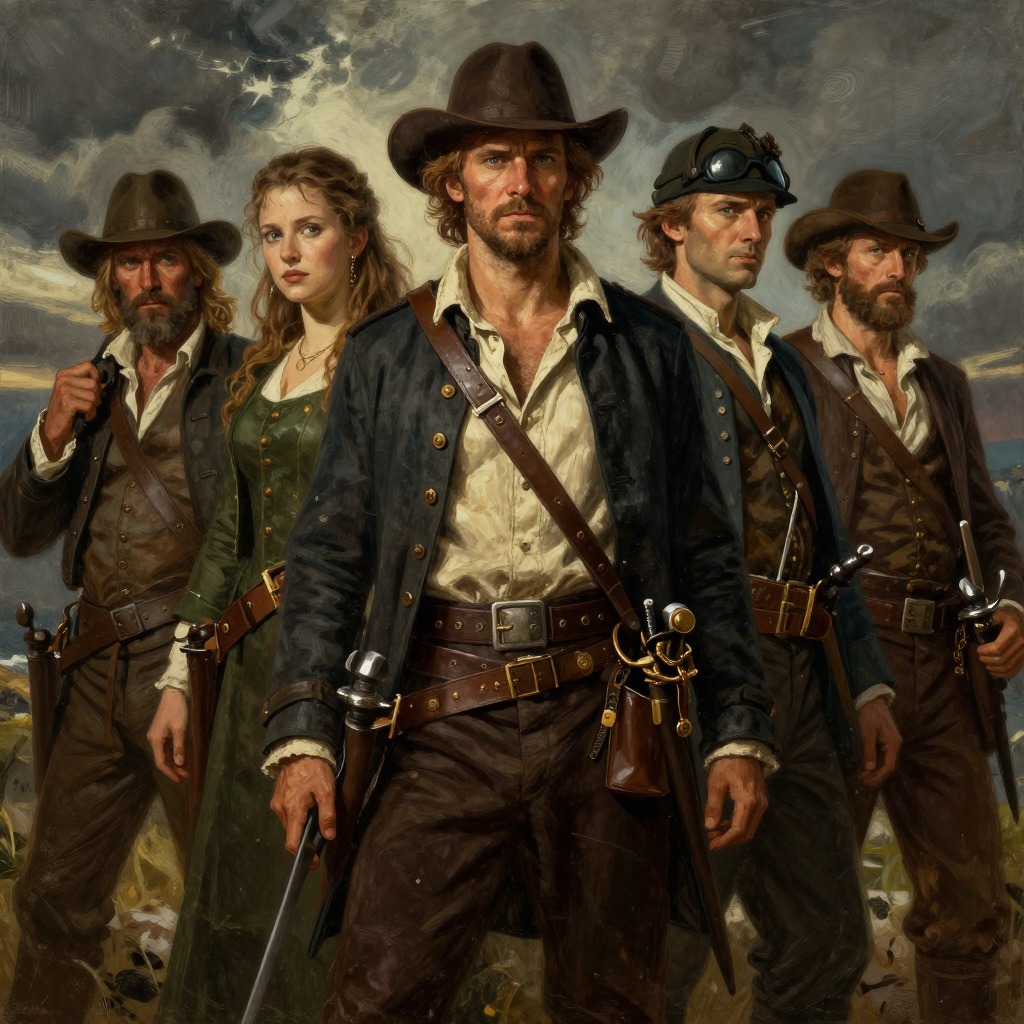
The Abandonment of the Hispaniola is the decisive turning point in Robert Louis Stevenson's Treasure Island where the loyal party—Captain Smollett, Dr. Livesey, Squire Trelawney, and their servants—quits the schooner and retreats to the fortified stockade on the island, ceding the ship to the mutineers. This action, undertaken on the afternoon of the first day's fighting, transforms the voyage into a siege and sets the stage for the island war that follows. It is a calculated withdrawal, born of necessity and executed with military precision, that reveals the captain's strategic acumen and the fragility of the expedition's original plans.
Causes and Background
The abandonment was precipitated by the mutiny that had been brewing since the voyage began. Captain Smollett had warned the squire and the doctor that he disliked the cruise, the crew, and his officer, Mr. Arrow, and had demanded precautions against a possible uprising. His fears were confirmed when Jim Hawkins, hidden in the apple barrel, overheard Long John Silver recruiting the honest hands and plotting to seize the treasure once it was found. The loyal party—numbering only seven against the mutineers' nineteen—found themselves trapped aboard a ship where the crew was openly insubordinate and the threat of violence hung over every order. The immediate cause of the abandonment, however, was the disappearance of Jim Hawkins, who had slipped ashore with the mutineers, and the need to secure a defensible position with fresh water, which the ship lacked.
The Evacuation
The evacuation was a carefully orchestrated operation conducted under the noses of the six mutineers left aboard. Dr. Livesey, who narrates this section, took the initiative after hearing the death cry of a man ashore—which he feared was Jim's—and resolved to move the party to the stockade, a log-house with a spring that he had reconnoitered earlier. The plan involved loading the jolly-boat with powder, muskets, biscuits, pork, cognac, and the doctor's medicine chest, while the captain and squire covered the operation with pistols. Old Redruth was stationed in the gallery with loaded muskets to deter the mutineers, and the captain hailed the coxswain, Israel Hands, warning that any signal would mean death. The mutineers, taken aback, retreated below, and the loyal party made several trips to shore, eventually abandoning the ship with only a musket and cutlass apiece for the captain, squire, Redruth, and the doctor, dropping the remaining arms and powder overboard in two and a half fathoms of water.
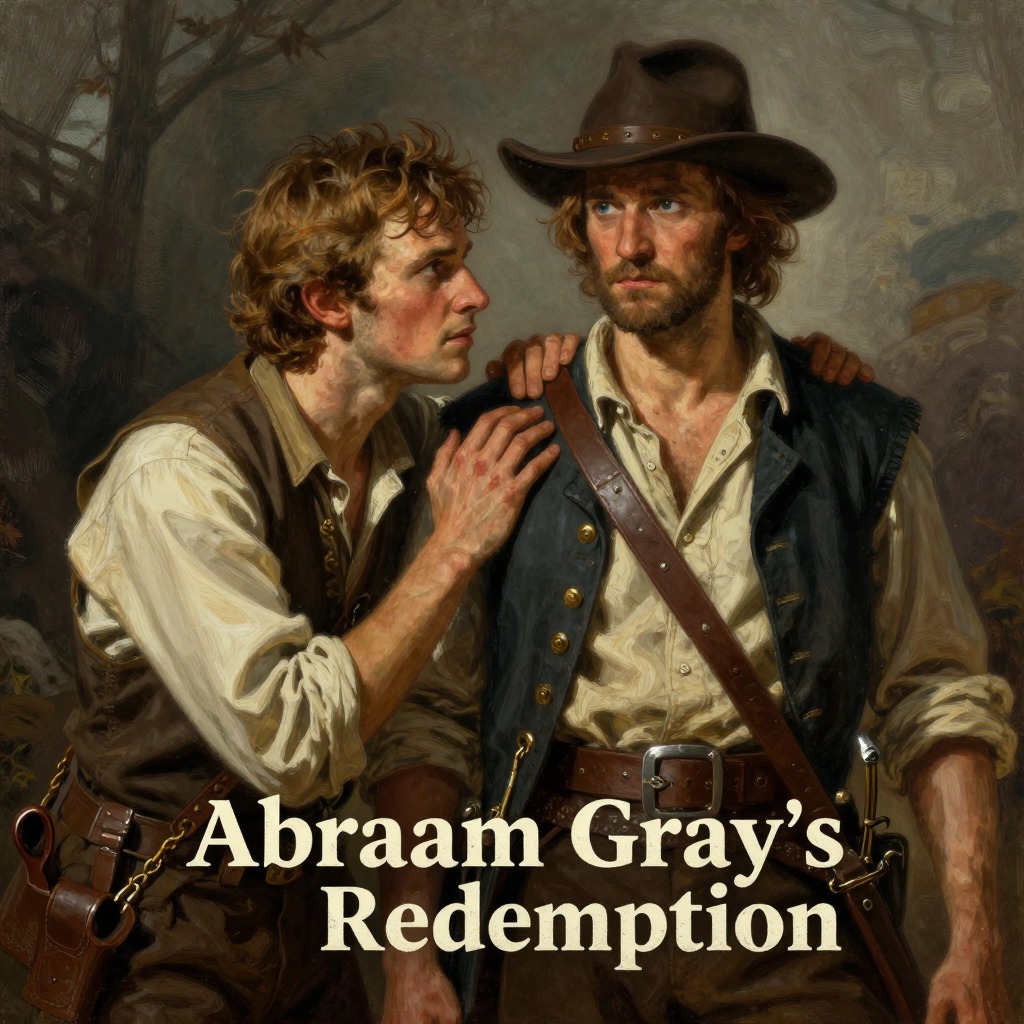
The final act of the evacuation was the recruitment of Abraham Gray, the carpenter's mate, whom the captain called out by name and ordered to join him within thirty seconds. After a scuffle and a knife cut on the cheek, Gray broke free and ran to the captain "like a dog to the whistle," becoming the seventh member of the loyal party. The jolly-boat, overloaded with five grown men and stores, was nearly swamped by the ebb tide, and the party narrowly escaped the mutineers' cannon fire from the ship, which sank the boat in three feet of water as they waded ashore.
Consequences and Aftermath
The abandonment had profound consequences. It left the mutineers in possession of the Hispaniola, from which they flew the Jolly Roger and bombarded the stockade, though their aim was poor and the flag they targeted was defiantly kept flying by Captain Smollett. The loyal party, now garrisoned in the log-house with limited rations and only two serviceable guns, faced a desperate siege. The captain's log recorded the faithful company: Smollett, Livesey, Gray, Trelawney, Hunter, and Joyce, with Redruth already dead and Jim Hawkins missing. The abandonment also set the stage for the subsequent battles—the attack on the stockade, the loss of Hunter and Joyce, and the eventual recapture of the ship by Jim Hawkins. In the broader narrative, it marks the moment when the expedition's original purpose—finding treasure—was subordinated to the immediate struggle for survival, and it underscores the captain's prescience and the loyalty of the few honest men who stood by their duty.